
Texas boasts a surprising diversity of wild edible plants, offering foraging opportunities for those knowledgeable in plant identification and safe harvesting practices․
Resources like “Wild Edible Plants of Texas” guides, both comprehensive volumes and pocket editions, are essential for responsible foraging within the Lone Star State․
Importance of Identification
Accurate plant identification is absolutely paramount when considering foraging for wild edible plants in Texas․ Misidentification can lead to serious illness, or even fatality, as numerous toxic plants resemble edible species․ Relying on multiple identification features – leaves, stems, flowers, fruits, and habitat – is crucial, alongside cross-referencing with reliable field guides like “Wild Edible Plants of Texas” by Sunriver Books or Charles W․ Kane’s pocket guide․
These resources provide detailed descriptions and color photos to aid in correct identification․ Never consume a plant unless you are 100% certain of its identity, prioritizing safety above all else․
Historical Uses by Indigenous Peoples
Indigenous peoples of Texas possessed an intricate knowledge of the land and its plant life, utilizing wild edible plants for sustenance, medicine, and various cultural purposes for centuries․ These communities sustainably harvested plants like persimmons, beautyberry, and various roots and greens, integrating them into their diets and traditional practices․
Their understanding extended beyond mere consumption, encompassing medicinal applications and recognizing seasonal availability․ This deep connection to the land highlights the historical importance of these plants, a legacy documented, in part, within resources like “Wild Edible Plants of Texas” guides․
Key Resources for Identification
Essential guides include “Wild Edible Plants of Texas” (Sunriver Books) and Charles W․ Kane’s pocket guide, offering detailed descriptions and color photos for accurate plant identification․
“Wild Edible Plants of Texas” (Sunriver Books) — Volume 1
This comprehensive volume from Sunriver Books prioritizes detailing each plant’s edible uses and preparation methods․ Beyond culinary aspects, it extensively covers the plant’s range, preferred habitat, and potential medicinal applications where relevant․
Crucially, the book also includes vital cautions and special considerations for each species․ Helpful features include sustenance ratings – categorizing plants as low, medium, or high yield – alongside collection timing guides and indicators for identifying the optimal plant parts․
Furthermore, county-by-county distribution maps and over 160 color photographs aid in accurate identification․ A general index completes this invaluable resource, though some entries extend beyond Texas’ borders, many focus specifically on Texan flora․
“Wild Edible Plants of Texas” (Charles W․ Kane) ⎯ Pocket Guide
Charles W․ Kane’s pocket guide offers a concise yet thorough resource for identifying and utilizing 60 wild plants across Texas․ Each of the 62 entries systematically presents information on range, habitat, and edible uses, alongside any applicable medicinal properties․
Importantly, the guide highlights potential cautions and special notes for each plant, ensuring safe foraging practices․ Both common and scientific names are provided for clarity, and over 100 color photos assist with accurate identification, often showcasing the most desirable edible parts․
Additionally, each profile includes a Texas-specific location map and a seasonal harvesting guide, maximizing foraging success․
Commonly Found Edible Plants
Texas landscapes yield readily available edibles like dandelion, purslane, lambsquarters, and various Allium species (wild onion/garlic), frequently appearing even in urban environments․
Dandelion (Taraxacum officinale)
Dandelions are ubiquitous across Texas, easily recognized by their bright yellow flowers and deeply toothed leaves․ Every part of the plant is edible – roots, leaves, and flowers – offering versatile culinary uses․ Young leaves are best enjoyed raw in salads, becoming more bitter with age, though blanching can mitigate this․
The roots can be roasted and used as a coffee substitute, while the flowers lend themselves to dandelion wine or fritters․ Dandelions are a nutritional powerhouse, rich in vitamins and minerals․ However, avoid collecting from areas potentially treated with herbicides or pesticides, ensuring a safe and wholesome foraging experience․
Purslane (Portulaca oleracea)
Purslane, often considered a weed, is a highly nutritious and readily available edible plant throughout Texas․ This succulent boasts small, reddish stems and fleshy, oval-shaped leaves․ It thrives in disturbed areas and gardens, often appearing after rainfall․ Purslane offers a slightly lemony, crisp texture when eaten raw in salads, or can be lightly cooked like spinach․
It’s an excellent source of omega-3 fatty acids, vitamins, and minerals․ Identification is key; look for the distinctive reddish stems․ Be mindful of harvesting from areas potentially exposed to contaminants, prioritizing clean and safe foraging locations for optimal health benefits․
Lambsquarters (Chenopodium album)
Lambsquarters is a common annual weed found throughout Texas, offering a substantial food source for foragers․ Easily identified by its dusty, grayish-green leaves, often with a powdery coating, it resembles spinach in both appearance and nutritional value․ Young leaves are best, consumed raw in salads or cooked like spinach – steaming, sautéing, or adding to soups․
This plant is rich in vitamins A and C, as well as iron and calcium․ Ensure proper identification to avoid confusion with similar-looking, potentially toxic plants․ Harvesting from clean areas is crucial, avoiding roadsides or chemically treated locations․
Wild Onion/Garlic (Allium species)
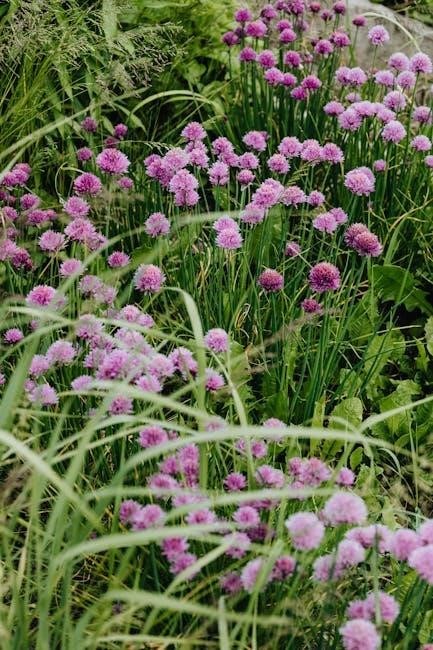
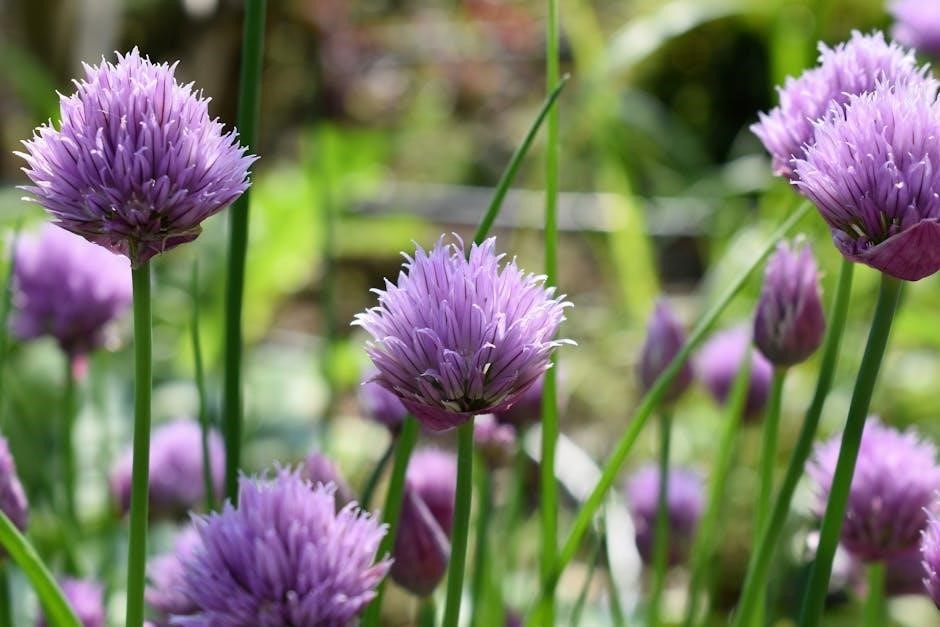
Wild onions and garlic, belonging to the Allium genus, are prevalent across Texas, adding a flavorful punch to foraged meals․ Identification relies on the distinct onion or garlic scent released when crushing the leaves or bulbs – a key differentiator․ Both the bulbs and leaves are edible, used similarly to their cultivated counterparts in various culinary applications․
Be cautious, as some similar-looking plants lack the characteristic odor and may be toxic․ Thoroughly research and confirm identification before consumption․ Harvesting sustainably ensures continued growth for future foraging endeavors․
Plants with Edible Leaves
Texas offers several plants with palatable leaves, providing nutritious additions to a forager’s diet, though proper identification and preparation are always crucial for safety․
Miner’s Lettuce (Claytonia perfoliata)
Miner’s Lettuce, while not explicitly detailed in the provided snippets, represents a valuable edible leaf source․ This succulent plant thrives in moist, shaded areas, offering a mild, slightly sweet flavor․ It’s a fantastic source of Vitamin C and other essential nutrients, historically consumed by gold miners during the California Gold Rush to prevent scurvy – hence the name!
Though information specific to Texas occurrences isn’t present in the given texts, its adaptability suggests potential presence in suitable habitats․ Identification relies on its distinctive circular leaves pierced by a single stem․ Foraging responsibly ensures sustainability, taking only what is needed and leaving ample plants to regenerate․
Nettles (Urtica dioica) — Preparation Required
Nettles, though possessing stinging hairs, are a highly nutritious wild edible, demanding careful preparation․ The provided texts don’t detail Texas-specific information, but generally, nettles are rich in vitamins A and C, iron, and other minerals․ The sting is neutralized through cooking – boiling or steaming effectively eliminates the irritant․
Historically, nettles were used for both food and medicinal purposes․ Young leaves are preferred for consumption, offering a spinach-like flavor․ Always wear gloves during harvesting! Proper identification is crucial to avoid confusion with similar-looking plants․ Responsible foraging ensures continued availability of this valuable resource․
Plants with Edible Roots & Tubers
Texas landscapes offer roots like Jerusalem artichokes and cattails, providing starchy sustenance․ Careful identification, as detailed in foraging guides, is vital for safe consumption․
Jerusalem Artichoke (Helianthus tuberosus)
Jerusalem artichokes, despite their name, aren’t related to artichokes but are a species of sunflower native to North America․ These plants produce edible tubers beneath the soil, offering a nutty, slightly sweet flavor․ Foragers can find them in moist areas across Texas, often near streams or in fields․
Identification relies on the plant’s tall stalks and sunflower-like (though smaller) yellow flowers․ Harvesting occurs in late fall or winter after the first frost, as this improves the flavor․ The tubers can be eaten raw, roasted, or boiled, providing a good source of carbohydrates․ Remember to positively identify the plant before consumption, consulting reliable field guides․
Cattails (Typha species)
Cattails are highly recognizable wetland plants found throughout Texas, offering multiple edible components․ The young shoots, resembling asparagus, can be harvested in spring and eaten raw or cooked․ The pollen, collected from the flower spikes, serves as a nutritious flour substitute․ Even the rhizomes (underground stems) are edible, though require more extensive preparation․
Proper identification is crucial, ensuring you’re harvesting from a clean water source, avoiding polluted areas․ Cattails provide a substantial food source, historically important for indigenous populations․ Remember sustainable harvesting practices, leaving enough root system for regeneration․ Consult field guides for accurate identification and preparation methods․
Plants with Edible Fruits & Berries
Texas offers diverse edible fruits and berries, like Texas Persimmon and American Beautyberry, providing seasonal treats and nutritional benefits for foragers․
Texas Persimmon (Diospyros texana)
Texas Persimmon, Diospyros texana, is a small to medium-sized tree native to central and south Texas, offering a unique and flavorful fruit․ The fruit is initially very astringent, requiring frost or freezing to mellow its flavor, becoming sweet and palatable․
Historically, Indigenous peoples utilized the fruit for various purposes, including food and medicinal applications․ The tree thrives in rocky hillsides and canyons, often forming dense thickets․ Identifying features include smooth, gray bark and oval-shaped leaves․
Harvest typically occurs in late fall or winter after a frost․ The fruit can be eaten fresh, dried, or used in jams and jellies․ Be aware that unripe fruit is intensely astringent!
American Beautyberry (Callicarpa americana)
American Beautyberry, Callicarpa americana, is a shrub known for its striking clusters of vibrant purple berries, a common sight in woodlands and thickets across Texas․ While not traditionally a staple food, the berries are edible, though somewhat bland, and were historically used by Native Americans for various purposes․
They were often made into jellies, syrups, or used to create a purple dye․ Modern foragers sometimes incorporate them into jams or wines, often combined with other fruits for enhanced flavor․ The plant prefers moist, shaded environments․
Berries are best harvested in the fall when fully ripe․ Caution is advised as some individuals may experience mild gastrointestinal upset․
Cautions and Safety Considerations
Accurate plant identification is paramount; misidentification can lead to poisoning․ Avoid foraging in areas with potential contamination, and be aware of allergic reactions․
Proper Plant Identification is Crucial
Successfully and safely foraging for wild edibles in Texas hinges on positive plant identification․ Relying on memory or guesswork is incredibly dangerous, as many edible plants have poisonous look-alikes․ Utilize multiple reliable resources, such as field guides like “Wild Edible Plants of Texas” by Sunriver Books or Charles W․ Kane’s pocket guide, to cross-reference characteristics․
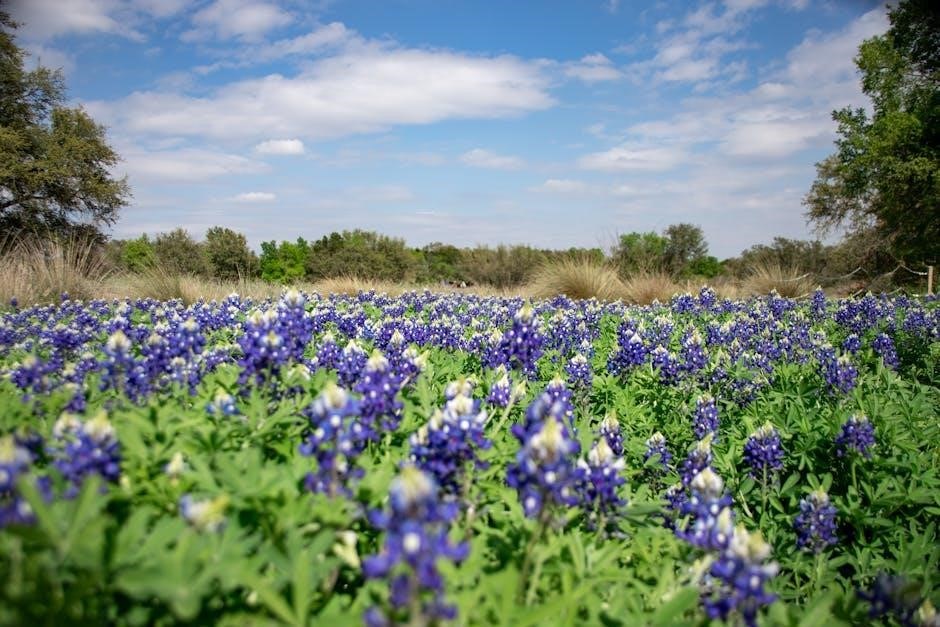
Pay close attention to details like leaf shape, flower structure, stem characteristics, and habitat․ Color photographs within these guides are invaluable․ When in doubt, do not consume the plant․ Consulting with an experienced forager or botanist is always recommended before ingesting any wild plant․ Prioritize safety above all else․
Avoiding Contaminated Areas
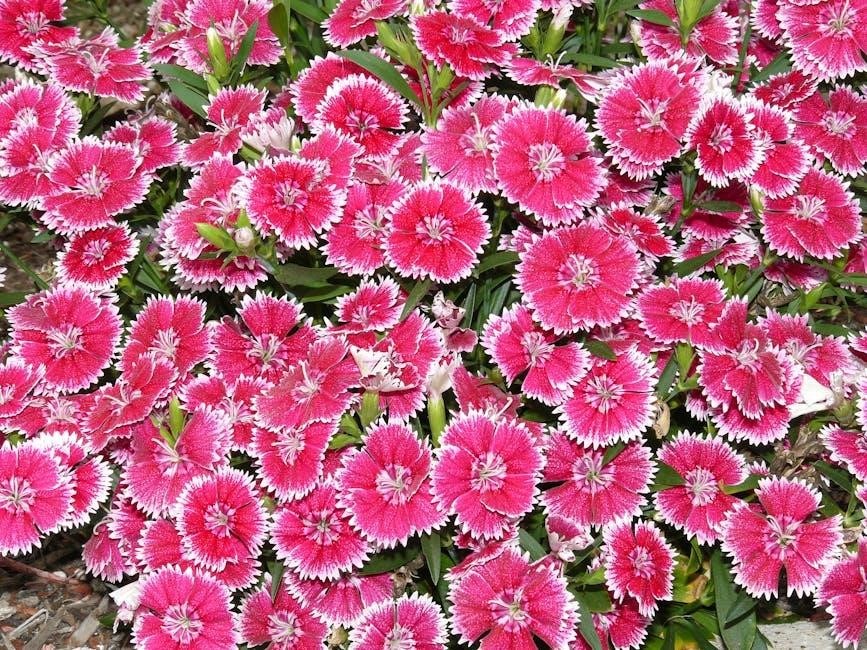
Foraging success requires vigilance regarding potential contamination․ Avoid collecting plants from areas exposed to pesticides, herbicides, or industrial runoff․ Roadsides are particularly risky due to vehicle exhaust and salt․ Steer clear of areas frequented by domestic animals, as they may deposit harmful bacteria․
Be cautious near waterways potentially affected by agricultural or urban pollution․ Thoroughly research the land’s history before harvesting․ Even seemingly pristine areas can harbor hidden contaminants․ Prioritize plants growing in remote, undisturbed locations․ Always wash foraged plants meticulously before consumption to minimize risks․
Potential Allergic Reactions
Wild edible plants, while nutritious, can trigger allergic reactions in sensitive individuals․ Introduce new foraged foods gradually, starting with small portions to monitor for adverse effects․ Symptoms can range from mild skin irritation to severe anaphylaxis․ Individuals with known plant allergies should exercise extreme caution․
Some plants, like certain members of the carrot family, contain compounds causing photosensitivity, increasing sun sensitivity․ Always positively identify plants before consumption, as misidentification can lead to dangerous reactions; If any adverse symptoms occur, discontinue use immediately and seek medical attention․

Harvesting and Preparation Techniques
Sustainable harvesting ensures plant longevity, while proper cleaning and cooking methods maximize flavor and safety․ Careful preparation is key to enjoying Texas’ wild edibles!
Sustainable Harvesting Practices
Responsible foraging prioritizes the long-term health of plant populations․ Avoid harvesting the first plants encountered, allowing them to reproduce․ Take only what you need, leaving plenty for wildlife and future growth․
Harvest leaves sparingly, never taking more than one-third of a plant․ When collecting roots or tubers, ensure you understand the plant’s reproductive strategy to avoid hindering its recovery․
Spread harvesting across different areas to prevent over-exploitation of any single location․ Be mindful of seasonal variations and avoid harvesting during critical reproductive phases․ Respecting these practices ensures the continued availability of Texas’ wild edible resources for generations to come․
Cleaning and Cooking Methods
Proper cleaning is crucial before consuming any foraged plant․ Remove all dirt and debris with cool water, and consider a vinegar soak for added safety․ Some plants, like nettles, require cooking to neutralize irritants․
Many Texas wild edibles are best enjoyed cooked, enhancing flavor and digestibility․ Boiling, steaming, and sautéing are common methods․ Others, like dandelion greens, can be eaten raw in salads․
Always research specific preparation techniques for each plant, as some require unique methods to remove toxins or improve palatability․ Thorough cooking ensures both safety and optimal enjoyment of these natural resources․
Legal and Ethical Considerations
Foraging requires respecting property rights and environmental sustainability․ Obtain permission before harvesting on private land, and practice responsible gathering techniques․
Private vs․ Public Land
Understanding land ownership is paramount before foraging for wild edibles in Texas․ Harvesting plants on private property without explicit permission constitutes trespassing and is illegal․ Always seek and obtain consent from landowners before entering their land for any purpose, including foraging․
Public lands, such as state parks and national forests, often have specific regulations regarding plant collection․ These regulations can vary significantly depending on the managing agency and the specific location․ It’s crucial to research and adhere to these rules, which may include limitations on the quantity of plants that can be harvested, restrictions on certain species, or outright prohibitions on foraging in designated areas․
Ignoring these regulations can result in fines or other penalties․ Responsible foraging necessitates respecting both private property rights and the rules governing public land access․
Respecting the Environment
Sustainable foraging is vital for preserving Texas’s wild edible plant populations for future generations․ Avoid over-harvesting; take only what you need and leave plenty for the plant to regenerate and for wildlife that depend on it․
Minimize your impact on the surrounding ecosystem․ Stay on established trails, avoid disturbing soil, and refrain from damaging non-target plants․ Be mindful of wildlife habitats and breeding seasons․
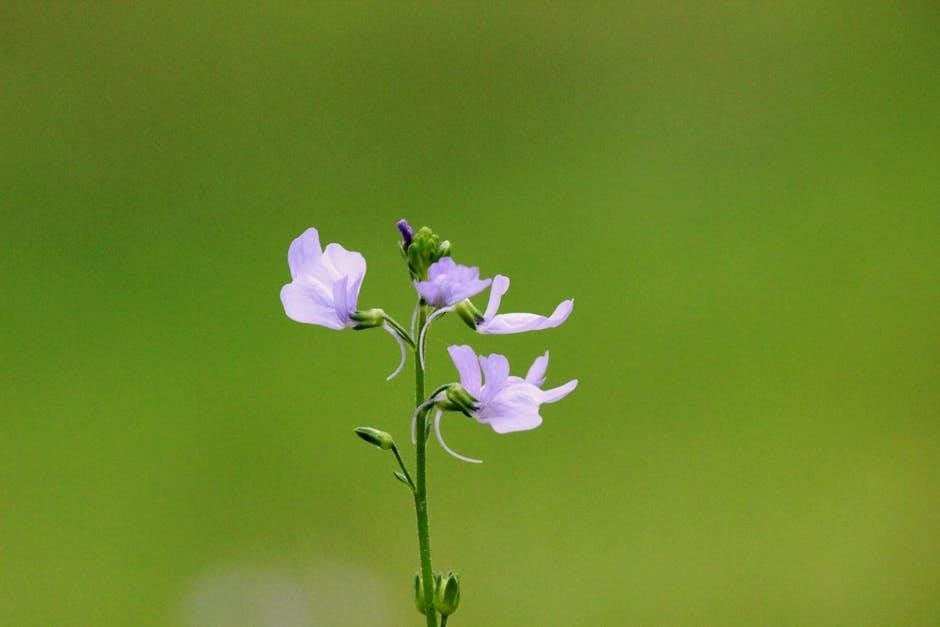
Spread seeds when possible to encourage plant propagation․ Practice “leave no trace” principles by packing out all trash and avoiding the use of harmful chemicals or pesticides near foraging areas․ Ethical harvesting ensures the long-term health of these valuable resources․